
Is Rafting on the Vjosa River Safe? Everything You Need to Know
Is rafting on the Vjosa River safe? Learn about rapids, safety equipment, beginners, children and what to expect before rafting in Albania.
If you’re considering rafting in Albania for the first time, safety is probably one of the first things you’ll think about.
Is rafting on the Vjosa River safe? Are the rapids difficult? Can beginners participate? What happens if you fall into the water? And what safety equipment will you use?
Guided rafting on the Vjosa can be suitable for beginners when river conditions are appropriate and the activity is carried out with experienced guides and proper safety equipment.
However, the Vjosa is a natural, free-flowing river. Water levels, current speed and conditions can change throughout the season. That’s why professional guidance, suitable equipment and following safety instructions are essential parts of the experience.
In this guide, we’ll explain what you should know about Vjosa rafting safety before getting on the river.
Is Rafting on the Vjosa River Safe?
Guided rafting on the Vjosa is designed to provide an adventurous but controlled experience, and previous rafting experience isn’t necessary for most beginners.
Before entering the river, participants receive instructions explaining how to sit in the raft, use the paddle, respond to the guide’s commands and what to do in different situations on the water.
Essential safety equipment is also provided.
At the same time, rafting is an outdoor adventure activity, so no natural river experience can be described as completely risk-free.
The Vjosa changes with rainfall, water levels and seasonal conditions. Professional guides therefore assess the conditions and organize the rafting experience accordingly.
If you’ve never rafted before, our beginner’s guide to rafting the Wild Vjosa explains what first-time visitors can expect from the experience.
What Safety Equipment Is Used for Vjosa Rafting?
You don’t need to buy specialized rafting equipment before coming to Përmet.
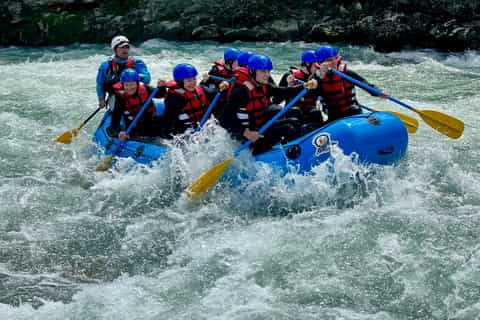
The technical equipment required for rafting is provided as part of the experience. The most important pieces of equipment include a life jacket, helmet, wetsuit and paddle.
Life Jacket
A properly fitted life jacket is one of the most important pieces of rafting safety equipment.
It provides buoyancy if you enter the water and should remain securely fastened throughout the river experience.
Before departure, make sure the life jacket fits correctly and follow any adjustments recommended by your guide.
Helmet
A helmet provides protection during the rafting experience and should remain securely fitted while you’re on the river.
It should feel comfortable but shouldn’t be loose enough to move around easily.
Wetsuit
A wetsuit helps protect you from cold water and makes the experience more comfortable.
Even when the weather in Përmet is warm, the temperature of the river can feel considerably cooler.
Appropriate Footwear
Your shoes should stay securely on your feet and be suitable for getting wet.
Loose sandals and flip-flops aren’t ideal for rafting because they can easily come off in moving water.
For more information about clothing and what you should bring yourself, see our complete Vjosa rafting packing guide.
Do You Need Previous Rafting Experience?
No. Many people who come to the Vjosa are rafting for the first time.
The guides explain the basic techniques before you enter the river, including how to hold your paddle, where to sit and how everyone in the raft should work together.
Once you’re on the water, your guide will continue giving instructions.
Rafting is a team activity. You don’t need advanced technical knowledge, but you do need to listen carefully and respond to your guide’s commands.
For a broader overview of what the experience involves, you can also read our complete guide to rafting the Vjosa River.
How Difficult Are the Rapids on the Vjosa?
The Vjosa combines calmer stretches of water with more active sections and rapids.
One important thing to understand is that the river isn’t exactly the same throughout the year.
Because the Vjosa is free-flowing, rainfall, water levels and seasonal conditions can change the speed and character of the river.
A section that feels relatively calm under one set of conditions may feel different when the water level is higher.
This is one of the reasons local knowledge matters. Guides who regularly work on the Vjosa can assess current conditions and determine how the trip should be organized.
What Happens Before You Enter the River?
A safe rafting experience starts before the raft touches the water.
Participants receive a safety briefing covering the equipment, paddling technique and what to do in different situations.
Your guide will typically explain things such as:
- How to sit securely in the raft
- How to hold your paddle
- How to respond to paddling commands
- What to do when approaching rapids
- What to do if you enter the water
- How to help another participant when instructed
- Why everyone in the raft needs to work together
Pay attention even if some of the instructions seem simple.
Once you’re on moving water, being able to respond quickly to your guide makes the experience smoother and safer for everyone.
What Happens If You Fall Out of the Raft?
This is one of the most common concerns among people trying rafting for the first time.
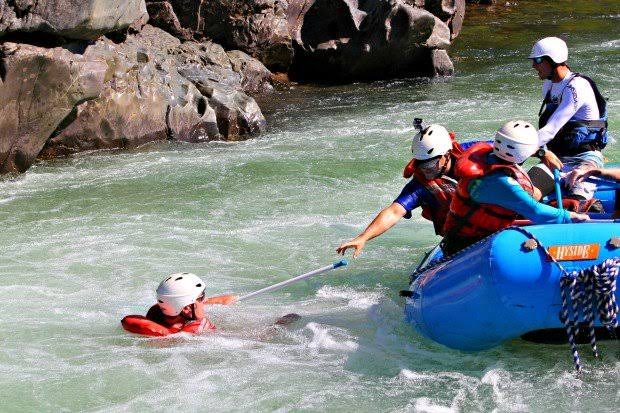
Falling into the water is possible during rafting, which is one of the reasons participants wear life jackets and helmets and receive safety instructions before departure.
If you enter the water, try to remain calm and follow the procedure explained by your guide.
Your guide will explain how to position your body in moving water and how you may be assisted back into the raft or toward a safer area.
One important point is not to assume that you should immediately stand up in moving water. Riverbeds can be uneven and currents can make standing more difficult than it appears.
The appropriate response depends on the situation, so following your guide’s instructions is more important than trying to react independently.
Do You Need to Know How to Swim?
Being comfortable in water is useful for any water-based activity.
However, even strong swimmers need to wear the provided life jacket. Swimming ability doesn’t replace safety equipment.
If you cannot swim or aren’t confident in deep or moving water, tell the rafting team before the trip.
This allows the guides to understand your situation and advise you appropriately based on the river conditions and planned experience.
Is Vjosa Rafting Safe for Children?
Families can experience the Vjosa too, but the suitability of rafting for children depends on factors such as age, confidence around water and current river conditions.
This is an area where parents shouldn’t make assumptions based only on what another family experienced on a different day or during another season.
The rafting team should be informed about the ages of the children before the activity so they can recommend an appropriate experience.
We cover the subject in much more detail in our family rafting guide to the Vjosa River.
Is Vjosa Rafting Suitable for Older Travelers?
Age alone doesn’t necessarily determine whether someone can participate in rafting.
General mobility, physical condition, comfort around water and the ability to follow instructions are more relevant considerations.
If you’re uncertain whether rafting is appropriate for you or someone traveling with you, speak with the rafting team before booking.
This is particularly important if someone in the group has limited mobility or concerns about getting into and out of the raft.
Does the Season Affect Vjosa Rafting Safety?
Yes. River conditions can change throughout the rafting season.
Rainfall, water levels and flow all influence how the river behaves.
Higher water levels can change the speed and character of certain sections, while lower water levels create a different type of experience.
This doesn’t mean that one particular month is always safe and another is always dangerous. Conditions should be assessed based on the river and weather at the time of the activity.
This is another reason experienced local guides are important when rafting on a natural river such as the Vjosa.
What Should You Tell Your Guide Before Rafting?
Communication is an important part of rafting safety.
Before entering the river, let your guide know about anything that could affect your participation.
For example, you should mention if you cannot swim, aren’t comfortable in deep water, have limited mobility, are rafting with young children or have never participated in a similar activity.
You should also ask questions if there’s anything about the experience that you don’t understand.
It’s much better to raise a concern before entering the river than to remain uncertain once the rafting trip has started.
How Can You Make Your Vjosa Rafting Experience Safer?
A large part of rafting safety comes down to preparation and following simple instructions.
Arrive prepared for the activity, wear all safety equipment correctly and pay attention during the briefing.
Once you’re on the river, follow your guide’s commands rather than trying to make independent decisions about navigating the raft.
Don’t remove safety equipment while you’re on the water, and avoid unnecessary risks for photographs or videos.
Wearing appropriate clothing and footwear also makes a difference. You can prepare beforehand using our Vjosa River rafting packing checklist.
How Do You Choose a Rafting Company in Albania?
Price shouldn’t be the only consideration when choosing where to go rafting.
Look at what’s included in the experience, the equipment provided, the guides, safety procedures and how clearly the company explains what will happen before you enter the river.
A professional rafting provider should also be comfortable answering questions about beginners, children, equipment and current river conditions.
Traveler reviews can provide another useful indication of how previous guests experienced the organization and guides.
Ultimately, you’re choosing the people who will accompany you onto a natural river, so professionalism matters more than finding the lowest possible price.
Rafting or Kayaking: Which Is Better for Beginners?
Rafting and kayaking offer different ways of experiencing the Vjosa.
During rafting, several participants share a larger raft and work together while following the guide’s instructions. This team structure can feel reassuring for people experiencing a river adventure for the first time.
Kayaking places you in a smaller craft and creates a different relationship with the water.
If you’re interested in seeing the Vjosa from a kayak rather than a raft, our guide to kayaking on the Vjosa River explains more about that experience.
Neither activity should be chosen solely on the assumption that one is always safer than the other. Conditions, equipment, guidance and the type of experience all matter.
Is Vjosa Rafting Worth Doing If You’re Nervous?
Feeling a little nervous before your first rafting trip isn’t unusual.
For many visitors, the Vjosa is their first experience of white-water rafting.
Understanding what will happen beforehand can make the activity feel much more approachable. You’ll have safety equipment, receive instructions before entering the water and have a guide directing the raft throughout the experience.
You don’t need to be an extreme-sports enthusiast to enjoy the river.
The combination of adventure, clear water and the surrounding landscape is precisely why rafting has become such an interesting way to experience this part of Albania.
If you want to understand more about the river and the overall experience before deciding, our guide to rafting the Vjosa in Albania provides a broader introduction.
Frequently Asked Questions About Vjosa Rafting Safety
Is rafting on the Vjosa River dangerous?
Rafting is an adventure activity and involves inherent risks. Guided rafting uses safety equipment, instructions and professional guidance to manage those risks, while river conditions are assessed as part of planning the experience.
Is Vjosa rafting suitable for beginners?
Yes, many people experience rafting on the Vjosa without previous rafting experience. Participants receive instructions before entering the river and guidance throughout the trip.
Do you wear a life jacket while rafting?
Yes. A properly fitted life jacket is an essential piece of rafting safety equipment and should remain securely fastened while you’re on the river.
Do you need a helmet for Vjosa rafting?
A helmet is part of the safety equipment used during rafting and should be worn as instructed by your guide.
What happens if I fall out of the raft?
Participants receive instructions before departure about what to do if they enter the water. The most important things are to remain calm and follow the guide’s directions.
Do I need to know how to swim?
Being comfortable in water is useful. If you cannot swim or aren’t confident in water, tell the rafting team before participating so they can advise you appropriately.
Can children go rafting on the Vjosa?
Children can participate in appropriate rafting experiences, but suitability depends on age, river conditions and other factors. Parents should confirm this with the rafting team before booking.
Does heavy rain affect rafting conditions?
Yes. Rainfall can affect water levels, current speed and the character of the river. Current conditions should be assessed by experienced guides.
What should I wear for Vjosa rafting?
Wear clothing suitable for getting wet and secure footwear. Technical rafting equipment is provided for the experience. Our guide to what to pack for Vjosa rafting provides more detailed preparation advice.
Is there a safest month for Vjosa rafting?
There isn’t one month that can universally be described as the safest. River conditions vary with weather, rainfall and water levels, which is why current conditions matter more than the calendar alone.
Enjoy the Vjosa with Confidence
Rafting on the Vjosa combines adventure with an opportunity to experience one of Albania’s most distinctive natural landscapes directly from the river.
For beginners, the key isn’t arriving with previous rafting experience. It’s using the correct equipment, listening carefully during the safety briefing and following the guide’s instructions once you’re on the water.
The Vjosa is a natural river, and respecting the river and its changing conditions is part of having a good experience.
You can explore the rafting experiences available and plan your trip directly with Wild Vjosa Rafting.
FAQ
Is rafting on the Vjosa River dangerous?
Rafting is an adventure activity and involves inherent risks. Guided rafting uses safety equipment, instructions and professional guidance to manage those risks, while river conditions are assessed as part of planning the experience.
Is Vjosa rafting suitable for beginners?
Yes, many people experience rafting on the Vjosa without previous rafting experience. Participants receive instructions before entering the river and guidance throughout the trip.
Do you wear a life jacket while rafting?
Yes. A properly fitted life jacket is an essential piece of rafting safety equipment and should remain securely fastened while you're on the river.
Do you need a helmet for Vjosa rafting?
A helmet is part of the safety equipment used during rafting and should be worn as instructed by your guide.
What happens if I fall out of the raft?
Participants receive instructions before departure about what to do if they enter the water. The most important things are to remain calm and follow the guide's directions.
Do I need to know how to swim?
Being comfortable in water is useful. If you cannot swim or aren't confident in water, tell the rafting team before participating so they can advise you appropriately.
Can children go rafting on the Vjosa?
Children can participate in appropriate rafting experiences, but suitability depends on age, river conditions and other factors. Parents should confirm this with the rafting team before booking.
Does heavy rain affect rafting conditions?
Yes. Rainfall can affect water levels, current speed and the character of the river. Current conditions should be assessed by experienced guides.
What should I wear for Vjosa rafting?
Wear clothing suitable for getting wet and secure footwear. Technical rafting equipment is provided for the experience. Our guide to what to pack for Vjosa rafting provides more detailed preparation advice.
Is there a safest month for Vjosa rafting?
There isn't one month that can universally be described as the safest. River conditions vary with weather, rainfall and water levels, which is why current conditions matter more than the calendar alone.